

Description
Potassium Dichromate Crystal ACS Grade: High-Purity Laboratory Chemical for Analytical Applications
Potassium Dichromate Crystal ACS Grade is a high-purity inorganic chemical compound widely recognized for its importance in analytical chemistry, laboratory testing, and chemical research. With the chemical formula K₂Cr₂O₇, potassium dichromate is an orange-red crystalline solid containing potassium, chromium, and oxygen. Its strong oxidizing properties and well-established chemical characteristics make it a valuable reference material in various laboratory procedures and analytical applications.
The ACS Grade designation indicates that the product is intended to meet applicable purity specifications established for chemicals used in analytical and laboratory work. This grade is particularly important for laboratories that require consistent chemical quality, reliable test results, and documented product specifications.
Potassium dichromate has a long history of use in analytical chemistry, particularly in oxidation-reduction reactions and standardized laboratory methods. However, it is also a highly hazardous hexavalent chromium compound. It presents serious health and environmental risks, requiring strict regulatory compliance, specialized handling, and appropriate hazardous-waste management. Understanding both its chemical properties and safety requirements is essential when evaluating Potassium Dichromate Crystal ACS Grade.
What Is Potassium Dichromate ACS Grade?
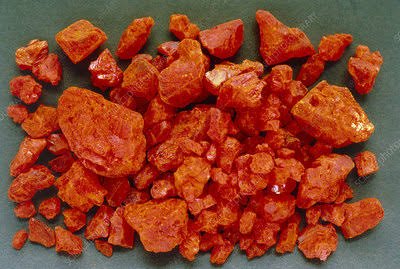
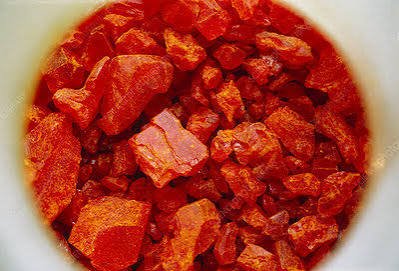
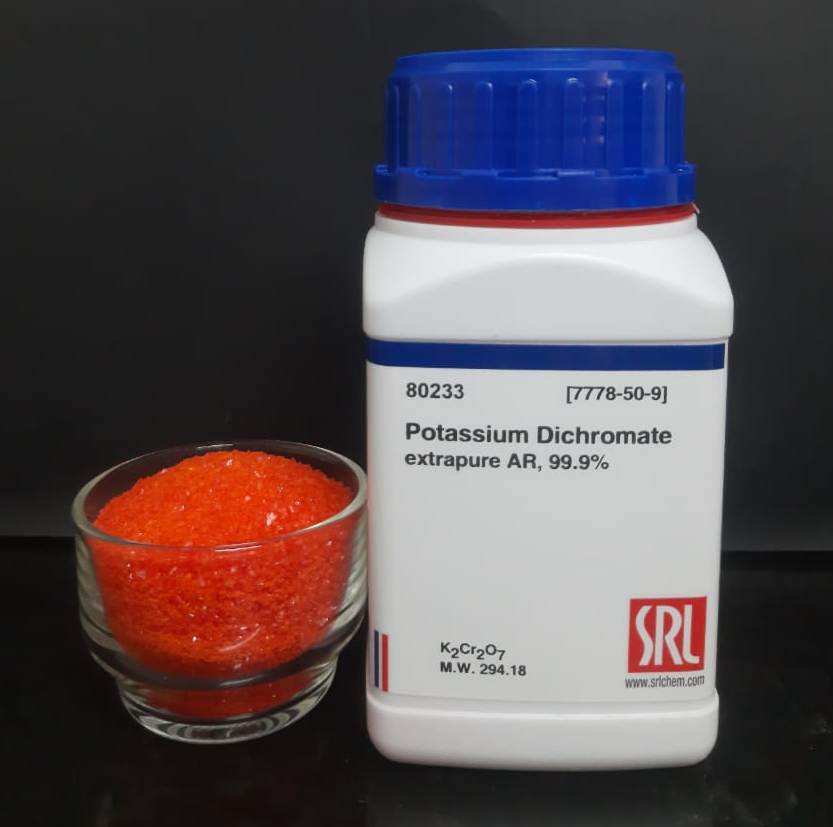
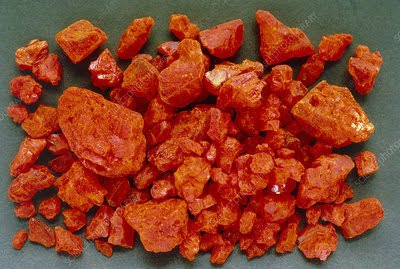
Potassium dichromate is an inorganic salt with the molecular formula K₂Cr₂O₇ and a molar mass of approximately 294.18 g/mol. It typically appears as bright orange to reddish-orange crystals. The compound is soluble in water and forms colored solutions.
The ACS Grade classification refers to a quality level associated with specifications published by the American Chemical Society for laboratory reagents. Depending on the manufacturer and product specification, these requirements may include limits for impurities, assay or purity, and other quality characteristics.
For laboratory buyers, checking the manufacturer’s certificate of analysis (COA) is important. The COA provides product-specific information, including the reported assay and relevant impurity limits. A safety data sheet (SDS) should also be reviewed before the product is accepted or used in a laboratory.
Chemical Properties of Potassium Dichromate
Potassium dichromate has several distinctive chemical and physical properties that explain its importance in analytical chemistry.
- Chemical name: Potassium Dichromate
- Chemical formula: K₂Cr₂O₇
- Molecular weight: Approximately 294.18 g/mol
- CAS number: 7778-50-9
- Appearance: Orange to reddish-orange crystalline solid
- Solubility: Soluble in water
- Chemical classification: Inorganic chromium(VI) compound
- Chemical behavior: Strong oxidizing agent
- Grade: ACS Grade, subject to the supplier’s documented specifications
One of its most important characteristics is its oxidizing ability. In appropriate chemical systems, dichromate ions can accept electrons and undergo reduction from chromium(VI) to chromium(III). This redox behavior is the basis for several established analytical chemistry applications.
Laboratory and Analytical Chemistry Applications
Potassium dichromate has historically been used in a range of controlled laboratory and analytical applications. Its suitability for a particular procedure depends on the applicable method, institutional safety requirements, and the product’s documented specifications.
Analytical Chemistry: Potassium dichromate is associated with established oxidation-reduction analytical methods. Its defined chemical composition makes it relevant to laboratory studies involving redox chemistry.
Reference and Quality-Control Work: Certain laboratory procedures use appropriately certified potassium dichromate materials as reference substances or quality-control materials. Buyers should verify whether a particular product has the certification required for their intended method.
Chemical Research: Researchers may study potassium dichromate as an example of a chromium(VI) compound, particularly when investigating oxidation states, inorganic chemistry, and redox behavior.
Educational Chemistry: In properly equipped and authorized teaching laboratories, potassium dichromate may be discussed as an example of an oxidizing inorganic salt and chromium chemistry. Due to its serious toxicity, safer alternatives should be considered wherever practical.
Industrial Laboratory Testing: Some established testing procedures have historically involved dichromate chemistry. Modern laboratories should assess whether validated alternatives can provide the required results with lower health and environmental risks.
Why ACS Grade Quality Matters
Chemical purity is an important consideration in laboratory work. Impurities can affect analytical measurements, influence reaction behavior, and reduce the reliability of experimental results.
Potassium Dichromate Crystal ACS Grade is intended for applications where documented reagent quality is important. The ACS Grade designation provides a recognized quality framework, but buyers should not assume that every product has identical specifications.
Before purchasing, laboratories should examine the product label, technical data sheet, certificate of analysis, and safety data sheet. They should also confirm whether the manufacturer’s specifications satisfy the requirements of the intended analytical method.
Health, Safety, and Environmental Considerations
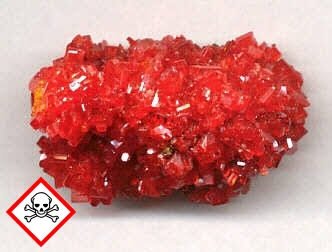
Potassium dichromate requires exceptional caution because it contains hexavalent chromium, Cr(VI). It is a highly hazardous substance associated with serious health effects, including cancer risk. It can also cause severe eye and skin damage, allergic reactions, and respiratory sensitization. Exposure may occur through inhalation, ingestion, or skin and eye contact.
The following safety considerations are essential:
- Restrict access to trained and authorized personnel.
- Follow the current safety data sheet and applicable occupational safety regulations.
- Use appropriate engineering controls and professionally designed laboratory containment.
- Ensure that protective equipment is selected through a formal workplace risk assessment.
- Prevent dust formation and avoid uncontrolled exposure.
- Keep the chemical away from incompatible materials, particularly substances that may react dangerously with strong oxidizers.
- Never dispose of potassium dichromate through ordinary drains, household waste, or general refuse.
- Collect and manage contaminated materials as regulated hazardous waste through an authorized waste-management provider.
Potassium dichromate can also cause significant environmental harm, particularly to aquatic ecosystems. Chromium-containing waste must therefore be managed under applicable environmental regulations. Facilities should maintain appropriate storage, inventory, spill-response, and waste-management procedures.
How to Evaluate Potassium Dichromate Crystal ACS Grade
When evaluating this product for laboratory procurement, buyers should prioritize documented quality and regulatory compliance rather than price alone.
Important purchasing considerations include:
- Purity documentation: Review the manufacturer’s assay and impurity specifications.
- Certificate of analysis: Request a lot-specific COA where required.
- Product identification: Confirm the chemical name, formula, CAS number, and grade.
- Packaging information: Verify that the container is suitable for the chemical and meets applicable transport and storage requirements.
- Safety documentation: Obtain the current SDS and review its hazard classifications.
- Regulatory requirements: Confirm that purchasing, possession, transport, use, and disposal are permitted under the relevant local regulations.
Conclusion
Potassium Dichromate Crystal ACS Grade is a recognized high-purity inorganic laboratory chemical with established relevance in analytical chemistry, redox studies, and specialized research applications. Its orange-red crystalline appearance, defined chemical composition, and strong oxidizing properties make it an important compound in the study of chromium chemistry.
However, potassium dichromate is a highly hazardous hexavalent chromium substance. Its use requires strict occupational safety controls, regulatory compliance, and responsible hazardous-waste management. Laboratories and industrial buyers should carefully evaluate the product’s ACS Grade specifications, certificate of analysis, safety data sheet, and suitability for the intended application before procurement.
Selecting a properly documented product and following professional safety requirements are essential to maintaining laboratory quality while protecting workers and the environment.


Reviews
There are no reviews yet.