
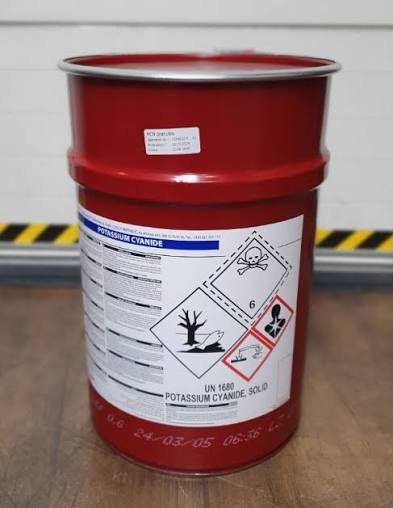
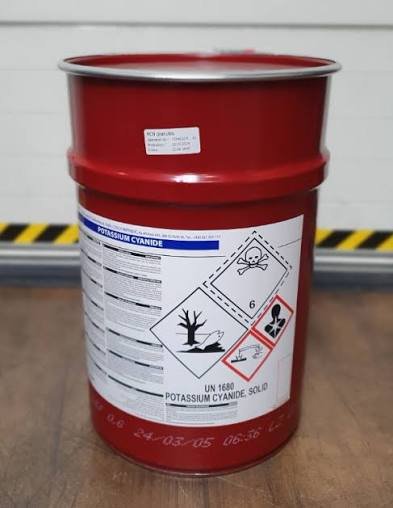
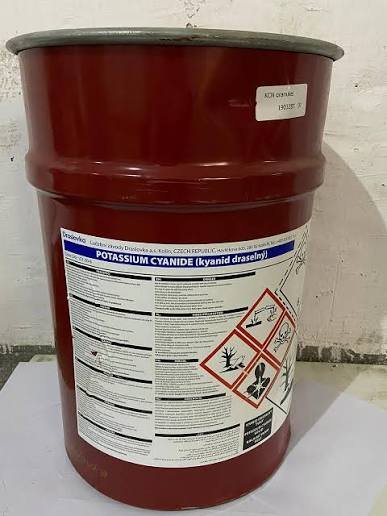

Description
Potassium Cyanide (KCN): Chemical Properties, Industrial Applications, and Safety Information
Introduction to Potassium Cyanide
Potassium Cyanide (KCN) is an inorganic chemical compound known for its importance in certain specialized industrial and laboratory applications. It is a white crystalline solid that is highly toxic and requires strict regulatory oversight. Recognize by its chemical formula KCN, potassium cyanide has historically been associated with specific metallurgical processes, electroplating operations, and controlled chemical research.
Because of its extreme toxicity, potassium cyanide is classified as a highly hazardous chemical. Its use is restricted to appropriately authorized industrial and research environments with established safety programs, trained personnel, and applicable regulatory approvals.
Understanding the chemical characteristics, industrial significance, and safety requirements of potassium cyanide is essential for organizations working with regulated industrial chemicals.
Chemical Properties of Potassium Cyanide
Potassium cyanide is an inorganic salt composed of potassium and cyanide ions. It generally appears as a white crystalline material and is highly soluble in water. Its chemical formula is KCN, and its molecular weight is approximately 65.12 g/mol.
Some general characteristics include:
- Chemical Name: Potassium Cyanide
- Chemical Formula: KCN
- Molecular Weight: 65.12 g/mol
- Appearance: White crystalline solid
- Chemical Classification: Inorganic cyanide salt
- Solubility: Highly soluble in water
- Hazard Classification: Extremely toxic
One of the most important characteristics of potassium cyanide is its ability to release hydrogen cyanide under certain conditions, including contact with acids. Hydrogen cyanide is an extremely poisonous substance that can cause life-threatening exposure through inhalation.
These characteristics make potassium cyanide a chemical that requires specialize controls and strict compliance with occupational and environmental safety requirements.
Industrial Significance and Applications Potassium Cyanide
Potassium cyanide has been used in several specialize industrial applications. Its chemical properties make it relevant to certain metallurgical and chemical processes. However, these applications are subject to significant safety restrictions and regulatory requirements.
1. Metallurgical Industry
Historically, cyanide compounds have played a role in certain gold and silver extraction processes. Their chemical behavior allows them to participate in controll metal-processing operations.
Because cyanide compounds present substantial environmental and human health risks, industrial facilities must comply with applicable environmental regulations and use appropriate alternatives whenever practical.
2. Electroplating Industry
Certain cyanide-based chemical compounds have historically been use in specialize electroplating applications. These processes are associated with controll metal deposition and surface finishing.
Their use requires professional oversight, specialize industrial infrastructure, and comprehensive environmental protection measures.
3. Chemical Research
Potassium cyanide has also been used in controll chemical research and laboratory applications. Research involving highly toxic cyanide compounds requires institutional authorization, appropriate laboratory facilities, and strict chemical safety procedures.
Health Hazards and Toxicity
Potassium cyanide is an extremely toxic chemical that can cause severe poisoning and death. Cyanide interferes with the body’s ability to use oxygen at the cellular level, potentially causing rapid failure of vital organs.
Exposure may occur through inhalation, ingestion, or absorption through the skin.
Potential symptoms of cyanide poisoning include:
- Headache and dizziness
- Confusion and weakness
- Difficulty breathing
- Nausea and vomiting
- Seizures
- Loss of consciousness
- Cardiovascular and respiratory failure
Suspected exposure requires immediate emergency medical attention. Do not attempt to manage a cyanide exposure without professional emergency assistance.
Chemical Safety and Environmental Responsibility
The management of potassium cyanide requires stringent occupational health, environmental protection, and chemical security measures.
Organizations that are legally authorize to work with cyanide compounds must follow applicable regulations, maintain current safety documentation, and ensure that employees receive appropriate professional training.
This must never be treat as an ordinary industrial chemical. Its extremely hazardous nature requires specialized risk assessments and professionally managed safety systems.
Environmental protection is equally important. Uncontrolled cyanide releases can contaminate water and soil and create serious risks for humans, wildlife, and surrounding ecosystems. Industrial facilities must maintain appropriate environmental management and emergency response programs.
Regulatory Compliance and Responsible Chemical Management
This is subject to strict controls in many countries because of its extreme toxicity and potential for misuse. Importation, exportation, possession, transportation, storage, and industrial use may require specific licenses, permits, or regulatory approvals depending on the jurisdiction.
Businesses involved in regulated chemical activities should verify applicable requirements with the relevant government authorities before undertaking any activity involving this substance.
Safety Data Sheets (SDS), chemical inventories, employee training, emergency planning, and environmental compliance are essential elements of responsible chemical management.
Conclusion
This (KCN) is a specialized inorganic chemical compound with historical significance in metallurgy, electroplating, and chemical research. Its distinctive chemical properties have made it relevant to certain industrial processes, but its extreme toxicity places it among the most hazardous industrial chemicals.
Understanding this requires more than knowledge of its chemical formula and industrial significance. Proper regulatory oversight, occupational safety, environmental responsibility, and emergency preparedness are essential considerations.
For industrial organizations, laboratories, and chemical professionals, responsible chemical management must always take priority over convenience or production requirements. Strict compliance with applicable laws and safety standards is essential whenever highly toxic cyanide compounds are involve.

Reviews
There are no reviews yet.