
Description
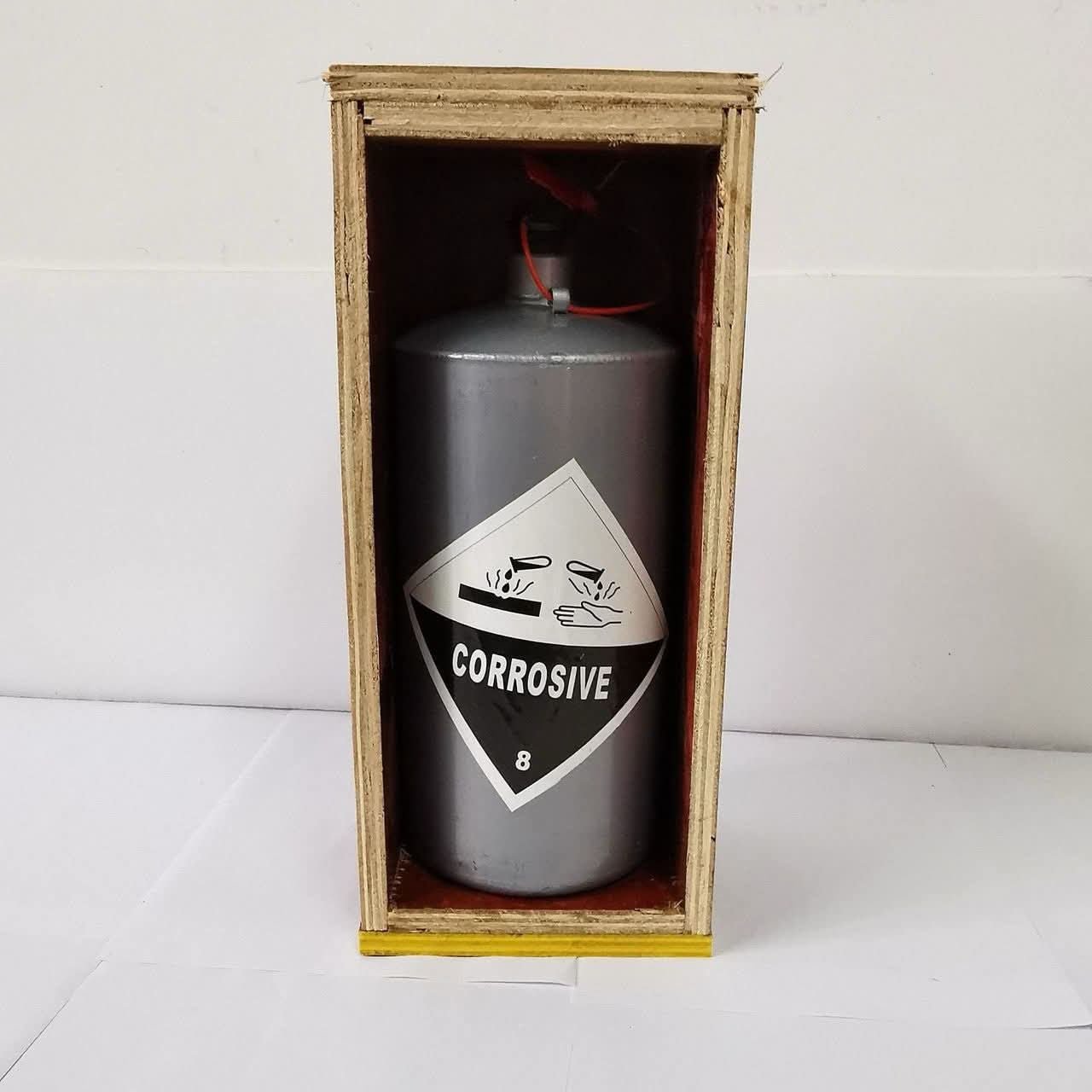
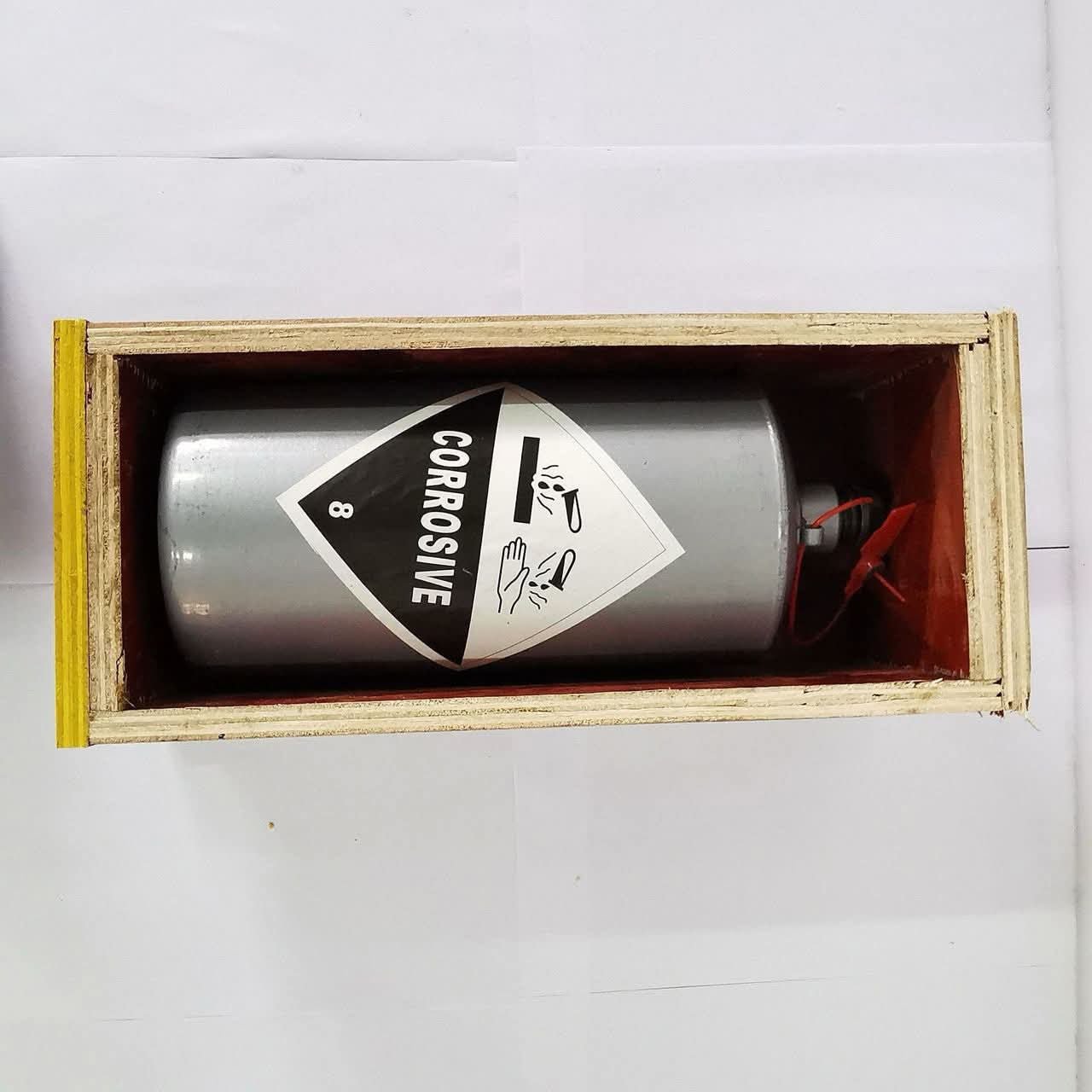
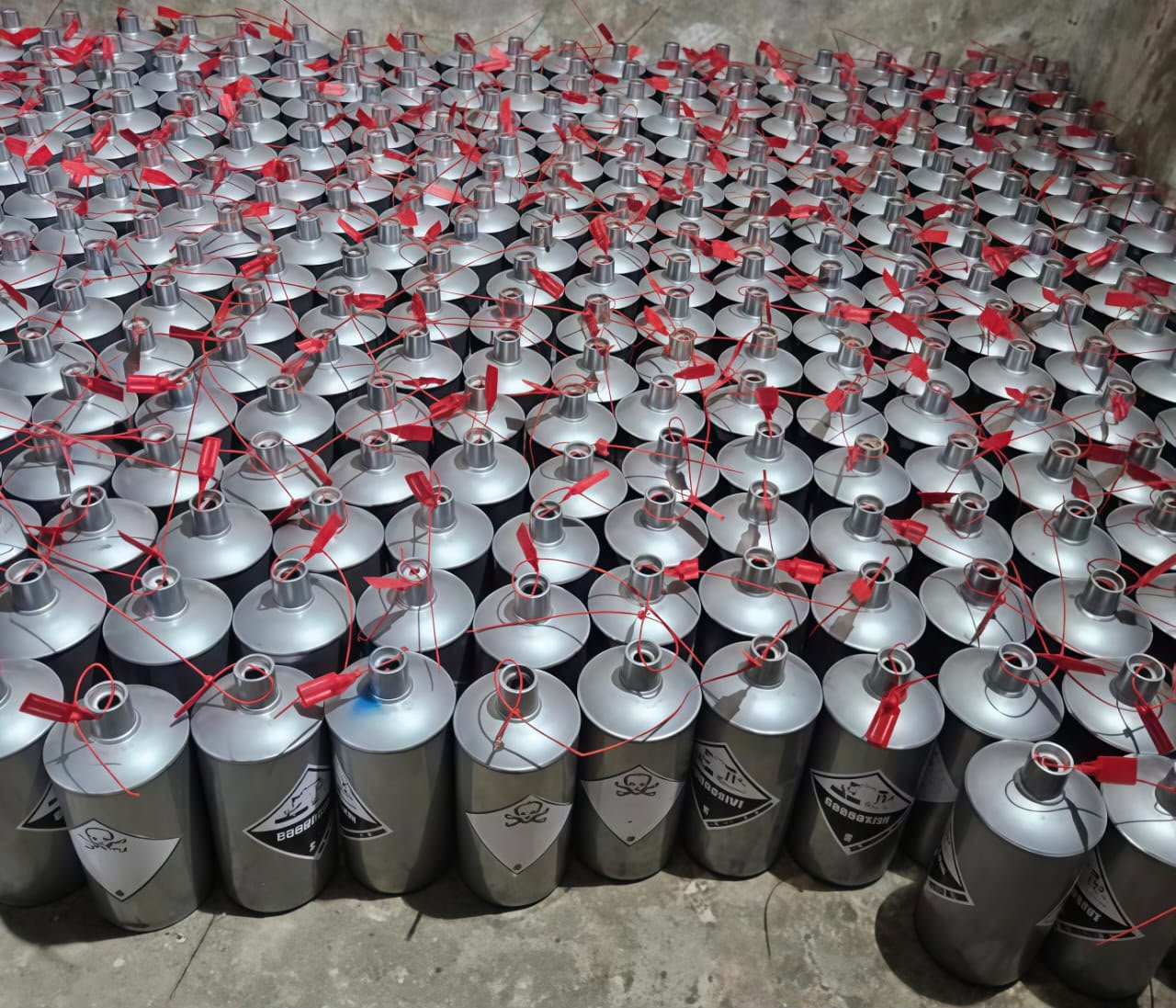
Silver Liquid Mercury 99.999% Purity [German Brand] – High-Purity Mercury for Specialized Industrial and Laboratory Applications
Silver Liquid Mercury 99.999% Purity [German Brand] is a specialize chemical material associated with high-purity mercury requirements in certain industrial, scientific, and laboratory environments. Recognize for its distinctive bright silver appearance and liquid state at ordinary room temperature, mercury is a metallic chemical element with unique physical and chemical properties. Its high density, electrical conductivity, and ability to remain liquid under normal indoor temperature conditions have made it historically important in various scientific and technical applications.
For businesses, laboratories, and industrial organizations researching high-purity mercury, understanding its characteristics, purity specifications, potential applications, and safety requirements is essential. Silver Liquid Mercury 99.999% Purity [German Brand] is described as a product with a stated purity level of 99.999%, equivalent to five-nines purity. This specification indicates a very high proportion of mercury in the material, subject to verification through an appropriate certificate of analysis and independent testing where necessary.
Because mercury is a highly toxic substance, its purchase, possession, storage, transportation, and use are subject to significant safety and regulatory considerations. It should only be handled by appropriately trained and authorized professionals in facilities equipped to manage mercury exposure and contamination risks.
What Is Silver Liquid Mercury?
Mercury, represented by the chemical symbol Hg and atomic number 80, is a naturally occurring metallic element. It is commonly recognized by its shiny, silver-colored appearance and unusual ability to remain liquid at room temperature. Unlike most metals, which are solid under ordinary indoor conditions, mercury has a melting point of approximately -38.83°C.
Its high density and distinctive physical properties have made mercury an important subject in chemistry, physics, and materials science. Historically, it was used in measuring instruments, electrical equipment, and certain industrial processes.
Silver liquid mercury is the metallic form of the element. The term silver describes its characteristic appearance, while liquid identifies its physical state under ordinary environmental conditions.
The German Brand designation in the product name identifies the advertise brand or origin associated with the product. Buyers should verify the actual manufacturer, country of origin, batch identification, and supporting documentation before relying on any country-of-origin or brand-related claim.
Understanding 99.999% Mercury Purity
Purity is an important specification when evaluating specialize chemical materials. A stated purity of 99.999% represents five-nines purity, meaning that the material is advertised as containing 99.999% mercury by mass or another specified analytical basis.
This corresponds to a maximum theoretical impurity level of approximately 10 parts per million (ppm), assuming the purity is measure on a mass basis and the stated result is accurate.
For high-purity materials, appropriate analytical documentation is important. Buyers should request a Certificate of Analysis (COA) that identifies the batch number, analytical method, measured purity, impurity profile, and testing laboratory.
A reliable purity assessment should distinguish between:
- The stated percentage of mercury.
- The analytical method used to determine purity.
- The types and concentrations of detected impurities.
- The batch or lot to which the test results apply.
- The laboratory responsible for the analysis.
A product description alone should not be treat as independent proof of 99.999% purity. Proper documentation is essential for verifying the advertise specification.
Physical and Chemical Characteristics of Mercury
Mercury has several unusual properties that distinguish it from other metallic elements.
Silver-colored appearance: Mercury has a bright, reflective metallic appearance that gives it its familiar silver color.
Liquid at room temperature: Its low melting point allows it to remain liquid under normal indoor temperature conditions.
High density: Mercury is exceptionally dense compare with most common liquids and metals.
Electrical conductivity: As a metal, mercury can conduct electricity, although its use in electrical equipment is subject to significant safety and environmental restrictions.
Chemical element: Mercury is represent by the symbol Hg and belongs to the group of metallic elements in the periodic table.
Vapor formation: Mercury can release invisible vapor at room temperature. This is a particularly important safety concern because inhalation of mercury vapor can cause serious health effects.
These properties make mercury scientifically interesting, but they also create significant occupational and environmental hazards.
Historical and Specialized Industrial Applications
Mercury has historically been use in several technical and scientific fields. However, many traditional applications have been restricted, discontinue, or replace with safer alternatives because of its toxicity and environmental persistence.
Scientific and Laboratory Research
Mercury has been study extensively in chemistry, physics, and materials science. Specialize research institutions may encounter mercury in controlled analytical or historical research settings. Any work involving elemental mercury requires appropriate authorization, containment, and hazardous-material procedures.
Historical Measuring Instruments
Mercury was traditionally use in thermometers, barometers, and other measuring devices because of its predictable expansion and high density. Many of these applications have transitioned to digital, electronic, or other mercury-free technologies.
Historical Electrical Applications
Mercury was use in certain switches, relays, and electrical devices. Due to environmental and health concerns, many such applications have been replace by modern alternatives.
Materials and Chemical Research
Mercury has been investigate in specialize chemical and materials research. Its use in contemporary research must comply with applicable chemical safety requirements, environmental regulations, and institutional approval procedures.
It is important to emphasize that the existence of historical or specialized applications does not establish that mercury is appropriate for a particular modern industrial process.
Why Mercury Purity Documentation Matters
For organizations dealing with high-purity chemical materials, traceability and quality documentation are important purchasing considerations.
A verified Certificate of Analysis can help establish whether a product meets its advertised purity specification. It can also provide information about the analytical methods and impurity levels associated with a particular batch.
When evaluating Silver Liquid Mercury 99.999% Purity [German Brand], professional buyers should consider:
- Certificate of Analysis: Request batch-specific documentation supporting the advertised purity.
- Manufacturer identification: Verify the manufacturer’s legal identity and product information.
- Country of origin: Request documentation supporting any German manufacturing or origin claim.
- Impurity profile: Review the analytical results rather than relying only on the headline purity percentage.
- Batch traceability: Confirm that the supply material can be linked to its corresponding quality documentation.
- Regulatory compliance: Verify whether the intend purchase, importation, possession, and use are legally permit.
These considerations are important for responsible procurement and chemical quality management.
Mercury Safety, Handling, and Environmental Protection
Mercury is highly toxic, and its handling presents serious occupational and environmental risks. Exposure can occur through inhalation of mercury vapor, direct contact, or contamination of surfaces and equipment.
Mercury vapor is especially dangerous because it is invisible and can accumulate in enclose or poorly ventilated environments. Exposure may also affect the nervous system, kidneys, and other organs. Health effects can be serious, particularly with repeated or prolonged exposure.
Mercury should never be handle casually, store in ordinary household containers, heated, or use in uncontrol environments.
Important safety considerations include:
- Restricting access to authorized and appropriately trained personnel.
- Following the product-specific Safety Data Sheet (SDS).
- Using suitable mercury-rated containment and approved storage facilities.
- Maintaining appropriate ventilation and exposure-control systems.
- Using professional mercury detection and monitoring procedures where required.
- Preventing mercury from entering drains, soil, waterways, and ordinary waste streams.
- Following approved hazardous-material transportation and disposal requirements.
Never use an ordinary household vacuum cleaner or broom to clean up spilled mercury. These methods can also spread contamination and increase exposure. Mercury spills require an appropriate professional response based on the quantity, location, and contamination risk.
Mercury-containing waste must be manage through authorize hazardous-waste channels. It must not be dispose of with ordinary garbage or poured into drains.
Mercury Regulations and Responsible Procurement
Mercury is control under various international and national environmental and chemical safety regulations. The Minamata Convention on Mercury is an international agreement design to protect human health and the environment from harmful mercury emissions and releases.
Depending on the country, restrictions may apply to mercury imports, exports, manufacturing, sale, storage, transportation, and specific product applications.
Organizations operating in the Philippines, Singapore, and other markets should verify applicable national regulations before attempting to purchase or import mercury. They should also confirm whether the intend use is permit and whether the require licenses, declarations, or environmental approvals are in place.
Responsible procurement involves more than confirming the product’s appearance or purity. It also requires checking the supplier’s legitimacy, regulatory documentation, traceability, and ability to support safe and compliant chemical management.
Conclusion: Silver Liquid Mercury 99.999% Purity [German Brand]
Silver Liquid Mercury 99.999% Purity [German Brand] is advertise as a high-purity elemental mercury product with a distinctive silver appearance and specialize physical properties. Its stated five-nines purity specification makes batch-specific analytical documentation particularly important for any professional evaluation.
For organizations researching high-purity mercury, product verification, manufacturer traceability, regulatory compliance, and occupational safety must remain the primary considerations. Because mercury presents serious health and environmental hazards, it should only be consider within legally authorize, professionally control applications.
Before making any purchasing decision, verify the product’s Certificate of Analysis, Safety Data Sheet, manufacturer information, country-of-origin documentation, and applicable regulatory requirements. Responsible chemical management is essential to protecting workers, facilities, and the environment.