
Description
Sodium Isopropyl Xanthate: Uses, Properties, and Applications
Sodium Isopropyl Xanthate (SIPX) is a widely used chemical reagent in the mining and mineral processing industry. It is primarily used as a flotation collector for the recovery of valuable sulfide minerals from ores. Because of its effective collecting properties, Sodium Isopropyl Xanthate has become an important reagent in modern froth flotation processes.
What Is Sodium Isopropyl Xanthate?
Sodium Isopropyl Xanthate, commonly known as SIPX, belongs to the xanthate family of flotation chemicals. It is typically available in powder or pellet form and is used in aqueous mineral-processing systems. Its main function is to alter the surface properties of selected mineral particles, making them more hydrophobic.
This property allows valuable mineral particles to attach to air bubbles during the froth flotation process. The mineral-rich particles rise with the bubbles to form a froth, which can then be collected for further processing.
Sodium Isopropyl Xanthate Uses
The major Sodium Isopropyl Xanthate uses are associated with the flotation and recovery of sulfide minerals. It may be used in the processing of ores containing metals such as copper, lead, zinc, nickel, and other valuable minerals.
SIPX is valued because it can provide effective mineral collection while allowing operators to adjust flotation conditions according to the characteristics of the ore. Its performance depends on factors such as mineral composition, reagent dosage, pH, particle size, and the use of other flotation reagents.
Importance in Mineral Processing
Efficient mineral recovery is essential for improving the productivity of mining operations. Sodium Isopropyl Xanthate for mineral flotation helps separate valuable minerals from unwanted materials by selectively changing mineral surface characteristics.
The correct dosage of SIPX is important. Too little collector may result in poor mineral recovery, while excessive use can affect selectivity and the overall flotation performance. Therefore, flotation plants generally optimize reagent concentrations according to their specific ore and process conditions.
Storage and Safe Handling
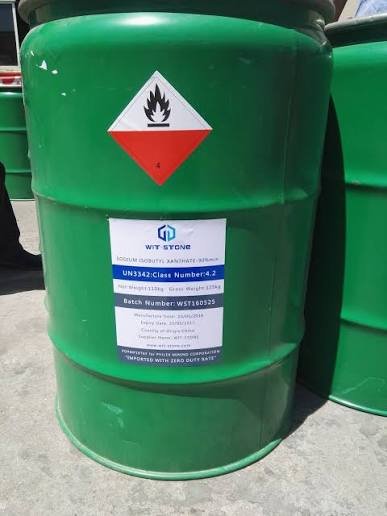
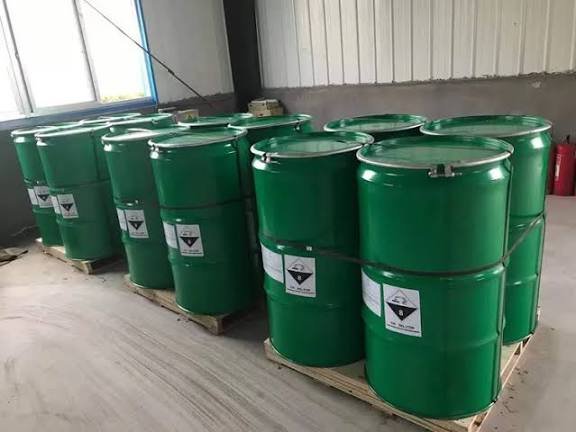
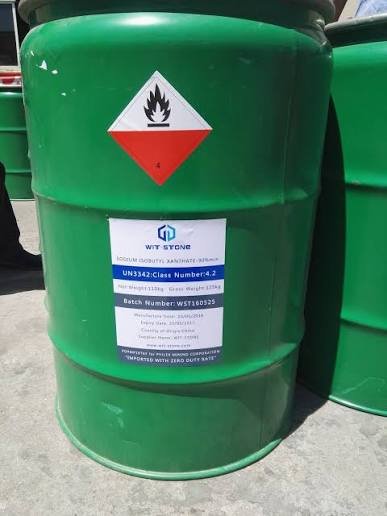
This should be handled and stored according to its Safety Data Sheet (SDS) and applicable workplace regulations. Proper protective equipment, ventilation, packaging, and storage conditions are important when working with industrial flotation chemicals. Users should always follow the manufacturer’s instructions and local safety requirements.
Conclusion
This is an important flotation reagent used in the recovery of sulfide minerals. Its ability to improve the hydrophobicity of selected mineral surfaces makes it valuable in the processing of copper, lead, zinc, nickel, and other ores. With appropriate dosage and process control, SIPX can contribute to efficient mineral separation and recovery.
For mining and mineral-processing operations, understanding the properties, applications, and proper handling of Sodium Isopropyl Xanthate is essential for achieving consistent flotation performance.