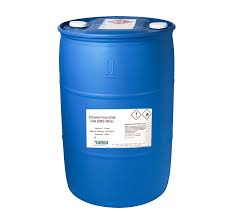

Description
Ethanol Alcohol (Ethyl Alcohol): Properties, Industrial Applications, and Commercial Uses
Ethanol Alcohol (Ethyl Alcohol) is a widely used organic chemical compound with applications in pharmaceutical manufacturing, chemical processing, cosmetics, personal care products, laboratory research, food and beverage production, and industrial manufacturing. Known for its versatility, solvent properties, and ability to mix with water, ethanol is one of the most commercially important alcohols in the chemical industry.
Ethanol is also commonly referred to as ethyl alcohol, grain alcohol, or simply alcohol. It is a colorless, volatile liquid with a characteristic odor. Its chemical formula is C₂H₅OH, and it is recognized for its effectiveness as a solvent in many formulations. Depending on its purity and intended application, ethanol is available in different grades, including industrial grade, laboratory grade, pharmaceutical grade, and food grade.
For manufacturers, laboratories, distributors, and commercial businesses, selecting the appropriate Ethanol Alcohol product requires careful consideration of purity, concentration, denaturing status, regulatory requirements, and technical specifications.
What Is Ethanol Alcohol (Ethyl Alcohol)?
Ethanol is an organic chemical compound belonging to the alcohol family. It consists of carbon, hydrogen, and oxygen atoms, with a molecular formula of C₂H₅OH. It is naturally produced through the fermentation of sugars by microorganisms and can also be manufactured through industrial chemical processes.
Commercial ethanol is commonly supplied as a liquid with different concentrations depending on its intended use. Absolute ethanol generally refers to ethanol with very low water content, while other commercial products contain varying amounts of water.
Ethanol is widely valued because it can dissolve many organic substances and is miscible with water. These characteristics make it useful in chemical formulations, extraction processes, cleaning products, and manufacturing operations.
Chemical and Physical Properties of Ethanol
Understanding the properties of ethanol is important for selecting the right grade for commercial and industrial applications.
- Chemical name: Ethanol
- Common name: Ethyl Alcohol
- Chemical formula: C₂H₅OH
- CAS number: 64-17-5
- Molecular weight: Approximately 46.07 g/mol
- Appearance: Clear, colorless liquid
- Odor: Characteristic alcohol odor
- Boiling point: Approximately 78.4°C at atmospheric pressure
- Solubility: Completely miscible with water
- Chemical classification: Organic alcohol
- Flammability: Highly flammable liquid and vapor
These characteristics explain why ethanol is used in different industrial and commercial formulations. Its flammability also means that appropriate fire prevention, storage, and handling procedures are essential.
Industrial Applications of Ethanol Alcohol
Ethanol Alcohol is used across a wide range of industries because of its solvent properties and versatility.
1. Pharmaceutical Manufacturing
Ethanol is use in certain pharmaceutical formulations as a solvent, extraction medium, and formulation ingredient. Depending on the applicable product standards, pharmaceutical-grade ethanol may be used in the production of selected medicinal preparations and topical products.
Pharmaceutical manufacturers must ensure that the ethanol grade, purity, and documentation comply with relevant regulatory requirements.
2. Cosmetics and Personal Care Products
The cosmetics and personal care industry uses ethanol in selected products such as perfumes, fragrances, sprays, and personal care formulations. It can function as a solvent and help dissolve fragrance ingredients and other compatible substances.
Its volatility also makes it useful in formulations where quick evaporation is desire.
3. Chemical Manufacturing
Ethanol is an important raw material and solvent in the chemical manufacturing industry. It is use in selected chemical synthesis, extraction, and formulation processes.
Manufacturers value ethanol for its compatibility with numerous organic compounds and its availability in different commercial grades.
4. Laboratory and Research Applications
Laboratories use ethanol as a solvent, cleaning material, and reagent in various scientific applications. Laboratory-grade ethanol is select according to the purity requirements of the specific analytical or research procedure.
Different grades should not be treat as interchangeable because their impurity profiles and quality specifications may vary.
5. Cleaning and Industrial Maintenance
Ethanol is use in certain commercial cleaning formulations because it can dissolve oils, residues, and selected organic substances. It may also be include in products intend for cleaning compatible surface and equipment.
Users should confirm that ethanol is suitable for the surface and application because it can damage certain coatings, plastics, and other materials.
6. Food and Beverage Manufacturing
Food-grade ethanol has specialize applications in regulate food and beverage production, including flavor extraction and formulation. Only products that meet the applicable food-grade requirements should be consider for these use.
Industrial-grade or denatured ethanol must never be assume suitable for food or beverage applications.
7. Renewable Energy
Ethanol is also use as a renewable fuel component in certain transportation fuel blends. Fuel ethanol is produce under specific manufacturing and quality standards and is subject to applicable fuel regulations.
Different Grades of Ethanol Alcohol
Choosing the correct ethanol grade is important because products are manufacture for different applications.
Industrial Grade Ethanol: Intended for approve industrial and manufacturing applications. Its purity and impurity specifications depend on the manufacturer.
Laboratory Grade Ethanol: Use in laboratory and research environments where define chemical specifications are require.
Pharmaceutical Grade Ethanol: Manufacture to meet applicable pharmaceutical quality standards and documentation requirements.
Food Grade Ethanol: Produce and documented for specific permitted food-related applications under relevant regulations.
Denatured Ethanol: Contains approve denaturing substances that make it unsuitable for consumption. Its use is subject to specific labeling, taxation, and regulatory requirements.
Absolute Ethanol: Refers to ethanol with very low water content and is select for applications that require a highly concentrate product.
Before purchasing, always verify the concentration, grade, denaturing status, and intended-use restrictions.
Benefits of Ethanol Alcohol
Ethanol offers several characteristics that make it valuable in commercial and industrial applications.
- Versatile solvent: Dissolves many organic substances and formulation ingredients.
- Water compatibility: Mixes completely with water.
- Multiple commercial grades: Available for different approved applications.
- Wide industrial use: Supports pharmaceutical, cosmetic, chemical, laboratory, and manufacturing processes.
- Volatile properties: Evaporates relatively quickly under ordinary conditions.
- Renewable production potential: Can be manufacture through biological fermentation processes.
These benefits make ethanol an important material for businesses that require a versatile organic solvent.
Safety, Handling, and Storage of Ethanol
Ethanol is highly flammable, and its vapor can form ignitable mixtures with air. Safe storage and handling are essential in industrial, commercial, and laboratory environments.
Important safety considerations include:
- Keep ethanol away from flames, sparks, hot surfaces, and other ignition sources.
- Store it in approve, properly labeled containers suitable for flammable liquids.
- Provide appropriate ventilation in storage and working areas.
- Follow the manufacturer’s safety data sheet and applicable workplace regulations.
- Use suitable protective equipment base on a workplace risk assessment.
- Keep containers securely close when not in use.
- Prevent uncontrolled spills and follow approved spill-response procedures.
- Ensure suitable fire protection equipment is available.
Businesses should also comply with local requirements concerning the purchase, storage, transportation, taxation, and use of ethanol, particularly denatured and high-concentration products.
How to Choose the Right Ethanol Alcohol
When purchasing Ethanol Alcohol, buyers should evaluate the product’s concentration, purity, grade, and intended application.
First, determine whether the application requires industrial, laboratory, pharmaceutical, food, or another specialized grade. Second, review the certificate of analysis and safety data sheet to confirm the product’s specifications. Third, verify whether the ethanol is denature or undenature. Finally, ensure that the supplier provides appropriate product documentation and complies with applicable regulations.
Selecting the correct ethanol product helps businesses maintain consistent manufacturing quality and meet the requirements of their specific operations.
Conclusion
Ethanol Alcohol (Ethyl Alcohol) is one of the most versatile organic chemicals use in modern industry. Its solvent properties, water compatibility, and availability in different grades make it valuable in pharmaceutical manufacturing, cosmetics, chemical processing, laboratory research, cleaning formulations, food production, and renewable energy.
For manufacturers, laboratories, and commercial buyers, choosing the right ethanol grade is essential. Concentration, purity, denaturing status, documentation, and regulatory compliance should always be evaluate before procurement. With appropriate product selection, storage, and fire safety management, ethanol can support a wide range of legitimate industrial and commercial applications.

Reviews
There are no reviews yet.