


Description
Ammonium Nitrate: Chemical Properties, Agricultural Applications, and Industrial Importance
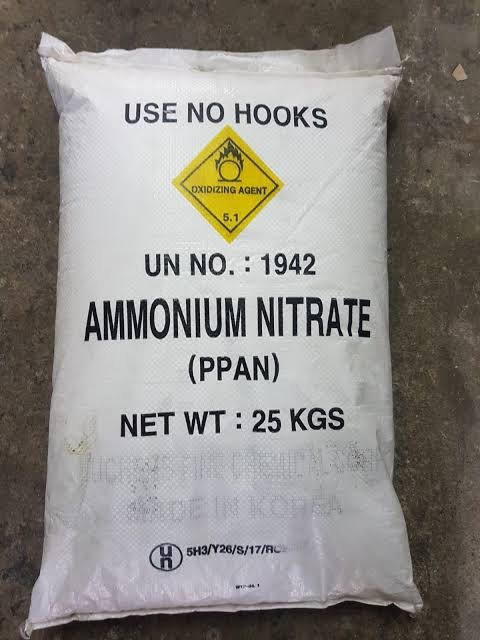
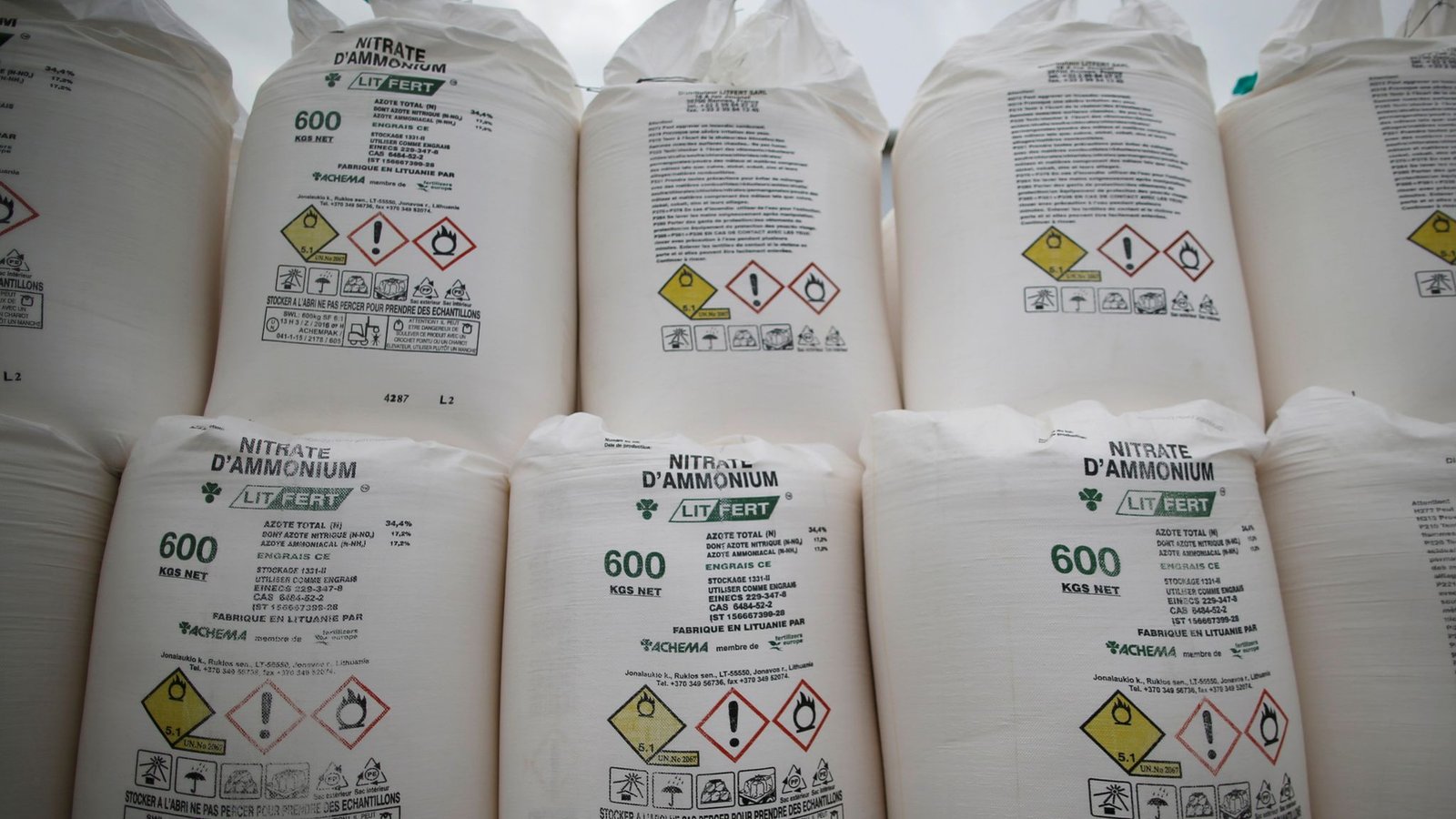
Ammonium Nitrate is an inorganic chemical compound widely recognized for its importance in agriculture, industrial chemistry, and specialized commercial applications. With the chemical formula NH₄NO₃, it contains nitrogen in two different chemical forms: ammonium nitrogen and nitrate nitrogen. This combination makes ammonium nitrate an important nitrogen-containing material, particularly in discussions of agricultural soil nutrition and industrial chemical management.
Ammonium nitrate is commonly describe as a white crystalline solid that dissolves readily in water. Its high nitrogen content has historically made it relevant to fertilizer production and agricultural nutrient management. It is also use in certain regulated industrial applications. However, ammonium nitrate is a strong oxidizing substance that presents significant fire, explosion, storage, transportation, and environmental hazards under certain conditions. Its procurement and use must therefore comply with applicable safety regulations.
What Is Ammonium Nitrate?
Ammonium nitrate is an inorganic salt compose of ammonium ions (NH₄⁺) and nitrate ions (NO₃⁻). Its chemical formula is NH₄NO₃, and its molecular weight is approximately 80.04 g/mol.
The compound generally appears as a white crystalline material and is highly soluble in water. Its nitrogen content is approximately 35% by mass, making it a concentrate nitrogen source in agricultural applications where its use is legally permitted and appropriately controlled.
Ammonium nitrate is important because it contains nitrogen in two forms that are relevant to plant nutrition. Ammonium nitrogen can be retain temporarily by negatively charged soil particles, while nitrate nitrogen is readily available for plant uptake but can also move through soil with water.
Chemical Properties of Ammonium Nitrate
Understanding the basic chemical properties of ammonium nitrate is important for identifying the material and evaluating its suitability for regulated applications.
- Chemical name: Ammonium Nitrate
- Chemical formula: NH₄NO₃
- Molecular weight: Approximately 80.04 g/mol
- CAS number: 6484-52-2
- Appearance: White crystalline solid
- Solubility: Highly soluble in water
- Chemical classification: Inorganic nitrate salt
- Nitrogen content: Approximately 35% by mass
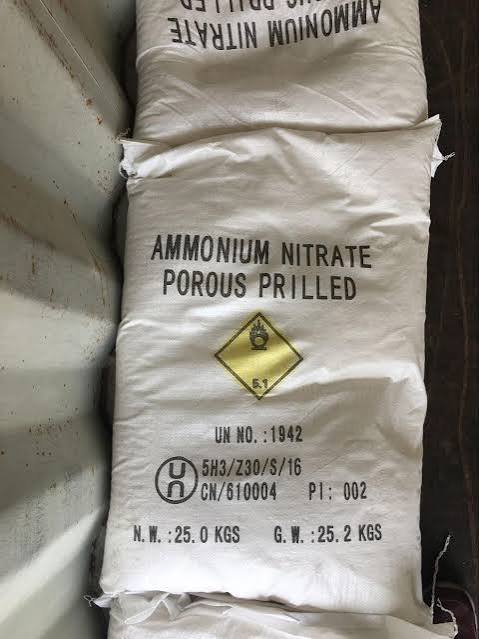
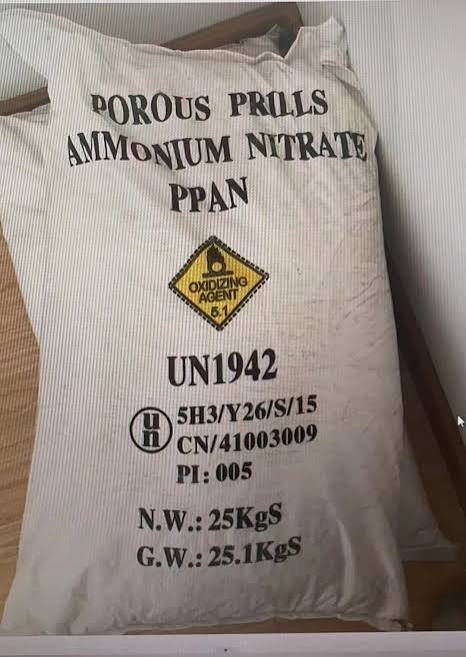
- Chemical characteristic: Strong oxidizing agent
Its oxidizing properties are particularly important from a safety perspective. Although ammonium nitrate is not itself a fuel, it can intensify combustion and may become involve in severe reactions under dangerous conditions, particularly when contaminated or expose to inappropriate heat or incompatible materials.
Agricultural Importance of Ammonium Nitrate
Nitrogen is one of the most important nutrients required for healthy plant development. It contributes to chlorophyll production, protein formation, enzyme activity, and vegetative growth. Insufficient nitrogen can result in poor plant development, reduce leaf growth, and lower agricultural productivity.
Ammonium nitrate has historically been used as a nitrogen fertilizer because of its relatively high nitrogen concentration and its two forms of nitrogen.
The ammonium component is positively charge and can interact with negatively charge soil particles. The nitrate component is readily available for plant uptake. These characteristics have made ammonium nitrate relevant to commercial agriculture and fertilizer research.
However, its use is subject to significant legal restrictions in many jurisdictions because of its oxidizing properties and potential misuse. Farmers and agricultural businesses should consult local agricultural authorities and use only legally approve fertilizer products.
Industrial Applications of Ammonium Nitrate
Beyond agriculture, ammonium nitrate has been associate with several regulated industrial sectors. Its chemical properties make it relevant to specialize manufacturing and industrial processes.
Chemical Manufacturing: Ammonium nitrate is a recognize industrial chemical intermediate and may be involved in control manufacturing operations.
Agricultural Fertilizer Industry: Fertilizer manufacturers have historically use ammonium nitrate in the production of nitrogen-base agricultural products.
Mining and Construction: Certain specialized industrial applications involve ammonium nitrate-based materials. These applications are subject to strict licensing, security, handling, and regulatory controls.
Chemical Research: Educational and research institutions may study ammonium nitrate as an example of an inorganic salt, its solubility characteristics, and its chemical behavior.
All industrial applications must be conduct by authorize organizations with appropriate safety systems and regulatory approvals.
Safety and Storage Considerations
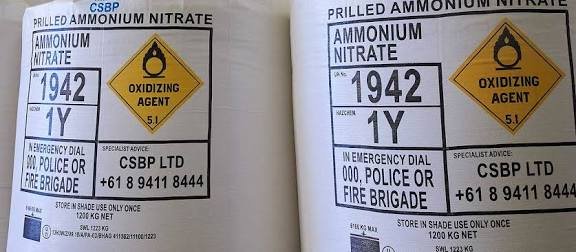
Safety is one of the most important considerations when dealing with ammonium nitrate. It is classified as an oxidizing substance and can contribute to serious fire and explosion hazards under certain circumstances.
Ammonium nitrate should be handle only by trained and authorize personnel following the current safety data sheet and applicable regulations.
Important safety principles include:
- Prevent contamination with combustible or incompatible substances.
- Keep the material away from ignition sources and uncontrolled heat.
- Use approved storage facilities that meet applicable fire and building safety requirements.
- Restrict access to authorize personnel.
- Maintain appropriate inventory, security, and inspection records.
- Follow applicable transport and emergency-response regulations.
- Never dispose of ammonium nitrate through ordinary drains or general waste systems.
Storage requirements vary according to product classification, quantity, jurisdiction, and intend use. Businesses should obtain professional guidance from qualified chemical safety personnel and local regulatory authorities.
Environmental Considerations
Nitrogen-containing compounds can affect the environment when release in excessive quantities. Ammonium nitrate entering waterways may contribute to nutrient pollution and eutrophication, a process that can encourage excessive algae growth and reduce dissolve oxygen in aquatic environments.
Agricultural operations must therefore consider nutrient management, environmental protection, and local water-quality requirements.
Responsible chemical management includes preventing uncontroll releases, maintaining suitable containment arrangements, and ensuring that waste is handle through authorize channels.
How to Evaluate Ammonium Nitrate for Industrial or Agricultural Procurement
Organizations evaluating ammonium nitrate should prioritize legal compliance, product documentation, and supplier accountability.
Important considerations include:
- Product identification: Confirm the chemical name, formula, and applicable classification.
- Technical documentation: Review the manufacturer’s technical data and product specifications.
- Safety data sheet: Obtain current hazard, handling, storage, and emergency information.
- Regulatory compliance: Verify applicable purchase, possession, transportation, and use restrictions.
- Supplier verification: Work only with appropriately authorized and reputable suppliers.
- Environmental management: Confirm that the organization has suitable waste-management and emergency-response arrangements.
Purchasing decisions should be based on the intended lawful application and applicable regulatory requirements.
Conclusion
This is an important inorganic chemical compound recognize for its nitrogen content, water solubility, and historical applications in agriculture and specialize industrial sectors. Its chemical characteristics have made it relevant to fertilizer science, industrial chemistry, and laboratory research.
However, This is also a powerful oxidizing substance that requires strict safety controls and regulatory oversight. Responsible procurement, appropriate storage, professional handling, and environmental protection are essential when dealing with this chemical.
For agricultural businesses, industrial organizations, and chemical professionals, understanding the properties and regulatory requirements of this product is an important part of responsible chemical management.

Reviews
There are no reviews yet.