
Description
Activated Carbon: Industrial Applications, Benefits, and Uses in Water and Air Filtration
Activated Carbon is a highly versatile filtration and purification material widely use in water treatment, air purification, wastewater management, food processing, chemical manufacturing, and industrial applications. Known for its exceptional adsorption capacity, activated carbon is designed to capture and retain unwanted substances from liquids and gases. Its porous structure and extensive internal surface area make it an important material for businesses and industries that require effective purification, odor control, and contaminant removal.
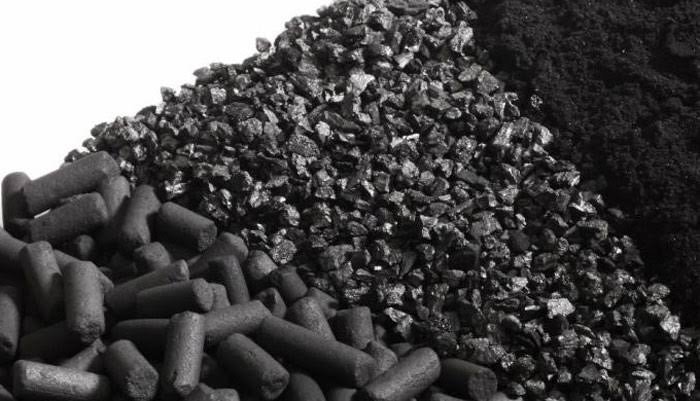
Activated carbon is commonly manufactured from carbon-rich raw materials such as coconut shells, wood, and coal. Through specialize activation processes, these materials develop an extensive network of microscopic pores that allows them to attract and retain various organic compounds and other contaminants. Depending on the intended application, activated carbon is available in different forms, including granular activated carbon, powder activated carbon, and extrude or pelletize activated carbon.
From municipal water treatment facilities to industrial filtration systems, Activated Carbon plays an important role in improving the quality of water, air, and other process materials.
What Is Activated Carbon?
Activated carbon, also call activated charcoal, is a process carbonaceous material with a highly developed porous structure. Unlike ordinary charcoal, activated carbon undergoes control manufacturing processes that increase its internal surface area and adsorption properties.
Its effectiveness comes from a network of microscopic pores that provide numerous adsorption sites. These sites allow certain molecules and compounds to attach to the carbon surface through physical and chemical interactions.
Activated carbon is particularly useful for removing many organic contaminants, unpleasant odors, chlorine, and selected dissolve substances. However, its effectiveness depends on the contaminant, water or gas composition, carbon properties, and operating conditions. It does not remove every possible contaminant, so the correct filtration material must be selected for each application.
Key Properties of Activated Carbon
Activated carbon is value across different industries because of its distinctive physical and chemical characteristics.
- High surface area: Contains extensive internal surfaces that support adsorption.
- Porous structure: Features microscopic pores that capture selected contaminants.
- Strong adsorption capacity: Can retain many organic compounds and odor-causing substances.
- Versatile applications: Suitable for selected water, air, gas, and industrial purification processes.
- Different particle sizes: Available in powdered, granular, and pelletized forms.
- Multiple raw material sources: Manufactured from coconut shells, coal, wood, and other carbon-rich materials.
- Customizable specifications: Products can be selected according to iodine value, particle size, hardness, moisture content, and other technical characteristics.
These properties make activated carbon a valuable material for filtration and purification systems.
Types of Activated Carbon
Different types of activated carbon are manufactured to meet specific filtration requirements.
1. Granular Activated Carbon (GAC)
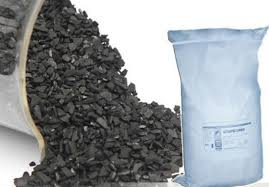
Granular activated carbon consists of relatively larger carbon particles. It is commonly used in water treatment filters, industrial purification systems, and certain gas treatment applications. Its particle size allows water or air to pass through a pack filter bed while selected contaminants are adsorb onto the carbon surface.
2. Powdered Activated Carbon (PAC)
Powder activated carbon has much smaller particles and is commonly used in applications requiring carbon to be dispersed into a liquid treatment process. It is use in certain municipal water treatment and industrial wastewater applications.
3. Pelletized Activated Carbon
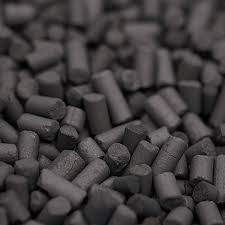
Pelletized or extruded activated carbon is manufacture into uniform cylindrical particles. It is commonly use in air and gas purification systems because its physical form can provide suitable airflow characteristics and mechanical strength.
4. Coconut Shell Activated Carbon
Coconut shell activated carbon is produced from coconut shell-base raw material. It is widely use in water filtration and selected purification applications. Depending on its specifications, it can offer a high proportion of micropores and suitable mechanical properties.
5. Coal-Based Activated Carbon
Coal-base activated carbon is manufacture from selected coal materials and is available in different pore structures and particle sizes. It is use in various industrial water, wastewater, and gas treatment applications.
Industrial Applications of Activated Carbon
Activated carbon serves many industries because of its ability to adsorb a wide range of unwanted substances.
1. Water Treatment and Purification
One of the most common uses of activated carbon is water filtration. It is use in residential, commercial, and industrial filtration systems to reduce chlorine, unpleasant tastes, odors, and certain organic contaminants. Municipal water treatment facilities may also use activated carbon as part of a multi-stage purification process.
2. Wastewater Treatment
Industrial wastewater can contain organic compounds and other substances that require treatment before discharge or reuse. Activated carbon is used in selected treatment systems to reduce certain dissolve organic contaminants and improve wastewater quality.
3. Air Purification
Activated carbon is widely use in air filtration systems to capture many gaseous pollutants, volatile organic compounds, and unpleasant odors. It is commonly incorporate into industrial ventilation systems, commercial air filters, and specialize gas treatment equipment.
4. Food and Beverage Processing
Certain food and beverage manufacturing processes use activated carbon for decolorization, purification, and removal of unwanted organic compounds. Its use must comply with relevant food-grade specifications and industry regulations.
5. Chemical Manufacturing
Chemical manufacturers use activated carbon in selected purification and separation processes. It may help remove unwanted organic impurities and improve the quality of certain industrial products.
6. Pharmaceutical and Laboratory Applications
Specially manufacture activated carbon grades are use in selected pharmaceutical and laboratory processes. These applications require appropriate quality documentation, purity specifications, and regulatory compliance.
7. Mining and Gold Processing
Activated carbon has an important role in certain gold recovery operations. Specialize grades are use in establish gold adsorption process because of their adsorption characteristics and mechanical properties. Selection depends on particle size, hardness, adsorption performance, and process requirements.
Benefits of Using Activated Carbon
Activated carbon offers several advantages for businesses and facilities that require reliable purification materials.
- Improves water quality: Helps reduce selected organic contaminants, chlorine, taste, and odor compounds.
- Controls unpleasant odors: Adsorbs many odor-causing substances in air and liquid treatment applications.
- Supports industrial purification: Used in different manufacturing and processing operations.
- Versatile filtration material: Available in several forms to meet different equipment requirements.
- Reduces selected contaminants: Provides an additional treatment stage in appropriately designed purification systems.
- Wide industrial acceptance: Used in water treatment, food processing, chemical manufacturing, mining, and air filtration.
It is important to remember that activated carbon does not remove every contaminant. For example, ordinary activated carbon is generally not a complete solution for dissolved salts, many metals, microorganisms, or all inorganic pollutants. Additional treatment technologies may be necessary.
How to Choose the Right Activated Carbon
Selecting the correct activated carbon is important for achieving effective filtration and consistent performance. Buyers should consider several technical factors before purchasing.
Iodine Number: The iodine number is commonly use as an indicator of activated carbon’s adsorption capacity, particularly in relation to smaller molecules. It should not be treat as a universal measure of performance for every contaminant.
Particle Size: Particle size affects contact time, pressure drop, and filtration performance. The appropriate size depends on the design of the filtration equipment.
Hardness and Abrasion Resistance: These properties are important for applications involving repeated water flow, backwashing, and mechanical handling.
Moisture and Ash Content: These specifications can influence product quality and suitability for particular processes.
Raw Material: Coconut shell, coal, and wood-based activated carbons may have different pore structures and physical characteristics.
Application Requirements: Always select activated carbon base on the specific contaminants being treat, operating conditions, and manufacturer’s technical recommendations.
Activated Carbon Maintenance and Replacement
Activated carbon gradually becomes exhausted as adsorption sites are occupied by contaminants. When this happens, its ability to remove the target substances decreases.
Regular monitoring is important to maintain filtration performance. Depending on the system, maintenance may include monitoring water quality, checking pressure drop, inspecting filter equipment, and replacing or reactivating the carbon according to the manufacturer’s recommendations.
Spent activated carbon must be evaluate before disposal or regeneration. Depending on the substances it has adsorbed, it may require specialized handling and regulated waste management.
Conclusion
Activated Carbon is an essential filtration and purification material used in water treatment, wastewater management, air purification, food processing, chemical manufacturing, mining, and many other industrial applications. Its porous structure, extensive surface area, and adsorption properties make it highly valuable for reducing selected contaminants, controlling odors, and supporting purification processes.
Whether used as granular activated carbon, powdered activated carbon, pelletized activated carbon, coconut shell activated carbon, or coal-based activated carbon, choosing the correct grade is important for achieving dependable results. Businesses should evaluate technical specifications, adsorption characteristics, particle size, hardness, and intended application before purchasing.
For industries seeking effective filtration materials, high-quality Activated Carbon remains an important solution for improving purification performance and supporting cleaner industrial processes.
Reviews
There are no reviews yet.