


Description
Polyelectrolyte: High-Performance Water Treatment Chemical for Industrial and Wastewater Applications
Product Overview of Polyelectrolyte
Polyelectrolyte is a specialized water treatment chemical widely used in industrial wastewater treatment, municipal water processing, sewage treatment plants, mining operations, and various manufacturing industries. It is a water-soluble polymer containing electrically charged groups that help separate suspended particles, fine solids, and impurities from water. Because of its excellent flocculation and coagulation-supporting properties, polyelectrolyte plays an important role in improving water clarity, enhancing solid-liquid separation, and supporting efficient wastewater management.
In many industrial processes, wastewater contains suspended particles, organic matter, sludge, and other contaminants that are difficult to remove through ordinary settling. Polyelectrolytes help address this challenge by encouraging small particles to combine into larger aggregates known as flocs. These flocs can settle, float, or be removed through filtration, depending on the treatment system being used.
Businesses looking for a reliable polyelectrolyte for water treatment can benefit from selecting a product that matches their water chemistry, treatment equipment, and operating requirements. Proper product selection and application can contribute to more efficient treatment processes, improved sludge handling, and consistent water quality.
What Is Polyelectrolyte?
A polyelectrolyte is a polymer with ionizable functional groups along its molecular chain. When dissolved in water, these groups develop electrical charges, allowing the polymer to interact with particles and dissolved substances in the water.
Polyelectrolytes are generally classified according to their electrical charge:
- Anionic polyelectrolyte: Contains negatively charged functional groups and is commonly used for treating wastewater containing positively charged particles or certain mineral suspensions.
- Cationic polyelectrolyte: Contains positively charged functional groups and is frequently used in sludge dewatering, organic wastewater treatment, and applications involving negatively charged particles.
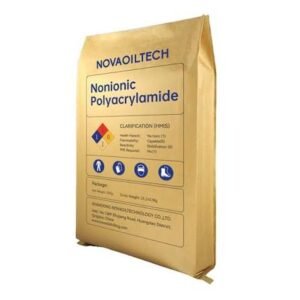
- Nonionic polyelectrolyte: Has little or no net ionic charge and can be suitable for particular water treatment conditions where charge interactions are less important.
Each type has different characteristics and performance requirements. The correct choice depends on the composition of the water, the type of suspended solids, pH, operating conditions, and the treatment equipment.
Key Features and Characteristics of Polyelectrolyte
Polyelectrolyte is valued for its ability to improve the separation of suspended solids from water. Its major characteristics include:
1. Excellent Flocculation Performance
Polyelectrolytes help combine fine suspended particles into larger flocs. Larger aggregates are generally easier to separate through sedimentation, flotation, or filtration.
2. Water-Soluble Polymer Composition
Many commercial polyelectrolyte products are designed to dissolve or disperse in water under suitable preparation conditions. Their solubility and handling characteristics depend on the polymer formulation and product grade.
3. Improved Solid-Liquid Separation
By promoting particle aggregation, polyelectrolytes can support more efficient clarification and separation processes in industrial and municipal treatment facilities.
4. Support for Sludge Dewatering
Certain cationic and other specially formulated polymers are used in sludge conditioning. They help improve the release of water from sludge, supporting mechanical dewatering equipment.
5. Different Molecular Weights and Ionic Strengths
Commercial polyelectrolytes are available in different molecular weights and charge densities. These properties influence their performance and suitability for different water treatment applications.
Common Applications of Polyelectrolyte
Polyelectrolyte is use across numerous industries because of its ability to improve wastewater treatment and solid-liquid separation.
1. Municipal Water and Wastewater Treatment
Municipal treatment plants use polyelectrolytes to assist with the removal of suspended solids and improve clarification. They can also support sludge conditioning during wastewater processing.
2. Industrial Wastewater Treatment
Manufacturing facilities often generate wastewater containing suspended materials, process residues, and other contaminants. Suitable polyelectrolytes help improve the separation of solids and support wastewater treatment operations.
3. Mining and Mineral Processing
In mining operations, polyelectrolytes may be use to support the settling and separation of mineral particles from process water. They can help improve thickener performance and assist with water recovery in mineral processing systems.
4. Paper and Pulp Manufacturing
The paper industry uses selected polyelectrolytes in processes involving fiber retention, drainage, and wastewater treatment. Their performance depends on the specific polymer grade and manufacturing process.
5. Textile and Dyeing Industry
Textile wastewater can contain suspended fibers, dyes, and other process-related materials. Appropriate polyelectrolytes may be used as part of a treatment system to support the separation of suspended substances.
6. Food and Beverage Processing
Food processing facilities generate wastewater containing organic particles and suspended solids. Certain polyelectrolyte formulations may assist treatment and sludge management when approved for the intended application.
7. Sludge Treatment and Dewatering
Polyelectrolytes are commonly use in sludge conditioning before mechanical dewatering. They can improve the formation of solids aggregates, helping treatment facilities manage sludge more effectively.
Benefits of Using Polyelectrolyte in Water Treatment
Choosing the appropriate polyelectrolyte can provide several operational benefits:
- Improved water clarification: Supports the removal of suspended particles and improves the appearance and clarity of treated water.
- Better floc formation: Encourages small particles to form larger aggregates that are easier to separate.
- More efficient sludge management: Selected polymer grades can improve sludge conditioning and dewatering performance.
- Support for wastewater compliance: Helps treatment facilities operate processes designed to meet applicable discharge requirements.
- Versatile industrial applications: Different polymer types are available for municipal, mining, manufacturing, and other wastewater treatment operations.
- Potential process optimization: Appropriate selection may improve treatment efficiency and reduce operational difficulties associated with poor solid-liquid separation.
Actual results depend on the wastewater characteristics, treatment system, polymer grade, and operating conditions.
How to Select the Right Polyelectrolyte
Selecting the correct polyelectrolyte is essential for achieving consistent treatment performance. Buyers and facility operators should consider the following factors:
Polymer Charge Type: Determine whether an anionic, cationic, or nonionic product is appropriate for the water or sludge being treate.
Molecular Weight and Charge Density: These characteristics influence floc formation, particle interaction, and polymer performance.
Water Chemistry: Factors such as pH, temperature, dissolved substances, and suspended solids can affect treatment results.
Application Requirements: A polymer used for mining wastewater may not be suitable for municipal sludge dewatering or paper manufacturing.
Product Quality and Technical Documentation: Purchase from a reputable supplier that can provide product specifications, safety information, and relevant technical documentation.
Where possible, conduct appropriate laboratory or jar testing with qualified treatment personnel before selecting a product for full-scale use.
Storage, Handling, and Safety Precautions
Polyelectrolyte products should be store and handle according to the manufacturer’s Safety Data Sheet (SDS) and technical instructions. Keep containers properly sealed and protected from moisture, contamination, and unsuitable storage conditions.
Avoid direct contact with the eyes and prolonged skin contact. Use suitable personal protective equipment, including gloves and safety glasses, when handling the product. Powder spills can create slippery surfaces when exposed to water, so clean spills promptly using appropriate workplace procedures. Store the product in a designated area away from incompatible materials and keep it out of reach of unauthorized personnel.
For liquid and powder formulations, follow the manufacturer’s instructions for storage, preparation, and handling. Do not assume that every polyelectrolyte grade has identical preparation or compatibility requirements.
Why Choose Quality Polyelectrolyte for Your Business?
Reliable product quality is important for businesses that depend on consistent wastewater treatment and industrial processing. Choosing a suitable polyelectrolyte from a dependable chemical supplier helps support efficient treatment operations, predictable product performance, and proper chemical management.
Before purchasing, review the product’s grade, ionic character, technical specifications, packaging, and intended application. Working with a knowledgeable supplier can also help identify a suitable polymer for specific wastewater or sludge treatment requirements.
Conclusion
Polyelectrolyte is an important water treatment chemical use in municipal wastewater facilities, industrial processing plants, mining operations, paper manufacturing, and sludge dewatering systems. Its ability to promote floc formation and improve solid-liquid separation makes it a valuable component of many modern water treatment processes.
Whether your business requires an anionic, cationic, or nonionic polyelectrolyte, selecting the appropriate grade is essential for achieving reliable results. By considering water chemistry, application requirements, product specifications, and proper handling procedures, businesses can make informed purchasing decisions and improve their wastewater treatment operations.
For companies searching for polyelectrolyte for sale, water treatment chemicals, wastewater treatment polymers, or industrial flocculants, choosing a quality product from a reliable supplier is an important step toward effective and responsible water management.