

Description
Hydrogen Peroxide 35%: A Versatile and Powerful Oxidizer for Industrial and Commercial Use
Hydrogen Peroxide 35% (H₂O₂) is a widely used chemical compound recognized for its strong oxidizing, bleaching, and disinfecting properties. This clear, colorless liquid consists of 35% active hydrogen peroxide and 65% water. As a medium-strength concentration, it strikes the perfect balance between effectiveness and safety, making it ideal for applications in food processing, textile bleaching, water treatment, and industrial cleaning.
Unlike chlorine-based alternatives, hydrogen peroxide decomposes into water and oxygen, making it an environmentally friendly and residue-free choice. It is a preferred chemical in industries looking for efficient performance with minimal ecological impact.
Specifications of Hydrogen Peroxide 35%
| Property | Specification |
|---|---|
| Chemical Name | Hydrogen Peroxide |
| Chemical Formula | H₂O₂ |
| CAS Number | 7722-84-1 |
| Concentration | 35% ± 0.5% |
| Appearance | Colorless, transparent liquid |
| Odor | Slight, pungent odor |
| Density @ 20°C | ~1.13 g/cm³ |
| pH | 3.5 – 4.5 |
| Solubility | Completely soluble in water |
| Stability | Stabilized to prevent rapid decomposition |
| Packaging | 30–35 kg carboys, 220 kg drums, IBC tanks |
| Storage | Cool, dry, and ventilated conditions |
| Shelf Life | 12 months in unopened, sealed containers |
Applications of Hydrogen Peroxide 35%
1. Water and Wastewater Treatment
Hydrogen peroxide 35% is frequently used to remove organic pollutants, odor-causing agents, and hydrogen sulfide from water systems. It is also effective in treating industrial effluents and contaminated groundwater.
2. Food Industry and Sanitization
Approve by various regulatory bodies, H₂O₂ at 35% is used in food-grade applications for disinfection of food packaging, sterilization of surfaces, and control of microbial growth in food processing environments.
3. Textile and Pulp Bleaching
It acts as a non-chlorinated bleaching agent for cotton, wool, and paper products. Its use ensures whitening without fiber degradation, making it popular in eco-conscious textile and paper mills.
4. Pharmaceutical and Cosmetics Manufacturing
In controlled environments, hydrogen peroxide is use for equipment sterilization, cleanroom sanitation, and as a precursor for manufacturing disinfectant formulations.
5. Aquaculture and Agriculture
Hydrogen peroxide helps oxygenate water, treat fungal infections in plants, and clean hydroponic systems, promoting healthier plant and aquatic life.
Benefits of Hydrogen Peroxide 35%
-
Eco-friendly – decomposes into water and oxygen with no toxic residues
-
Non-chlorinated alternative for bleaching and disinfection
-
Effective against bacteria, viruses, mold, and fungi
-
Safe for food-related use when handled correctly
-
Cost-efficient and multipurpose across many industries
Safety and Handling
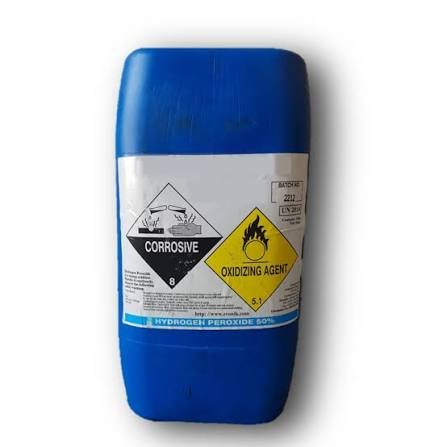
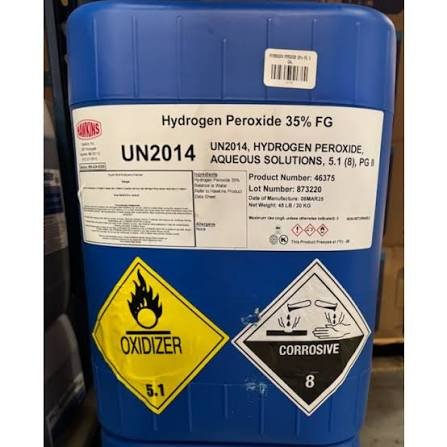
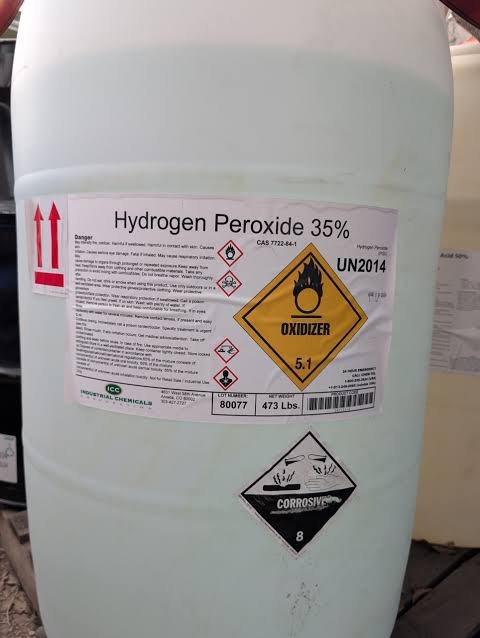
Hydrogen peroxide 35% is a corrosive oxidizer and must be handle with care:
-
Always wear gloves, goggles, and protective clothing
-
Store in ventilated, cool areas, away from direct sunlight and heat sources
-
Avoid contact with flammable substances and organic materials
-
In case of spills, dilute with water and follow local regulations for disposal
-
First aid: Rinse skin or eyes with water immediately upon contact; seek medical attention for serious exposure
Conclusion
Hydrogen Peroxide 35% is a powerful, versatile, and eco-conscious chemical solution used in a variety of sectors including water treatment, textile bleaching, food processing, and sanitation. With its strong oxidative power and clean breakdown into harmless byproducts, it offers a safe and sustainable alternative to chlorine-based chemicals.
When stored and handled properly, H₂O₂ 35% delivers superior performance, safety, and environmental compatibility, making it an essential chemical in both industrial and commercial operations.