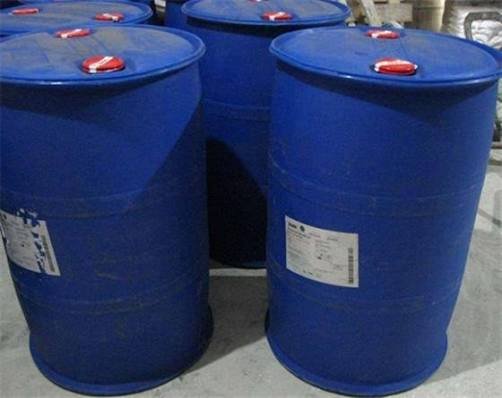
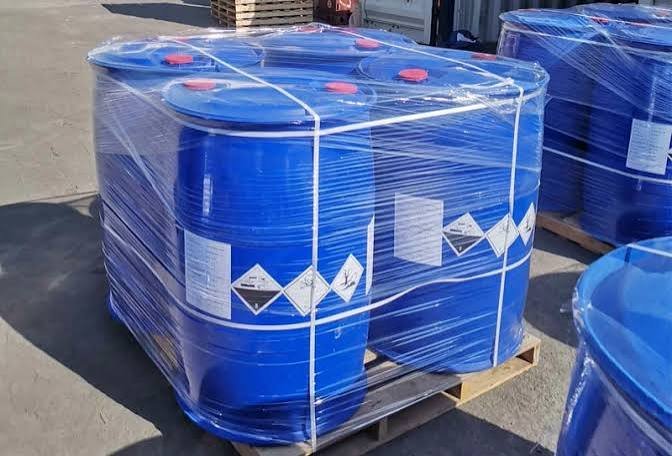

Description
2-Hydroxypropyl Methacrylate (HPMA) – A Key Reactive Monomer for High-Performance Polymers
Introduction
2-Hydroxypropyl Methacrylate (HPMA) is a clear, colorless, and low-viscosity liquid that serves as an essential functional monomer in the formulation of advanced polymers, coatings, adhesives, and inks. Belonging to the methacrylate family, HPMA combines a reactive methacrylate group with a hydrophilic hydroxyl group, making it ideal for both crosslinking and hydrophilic performance in polymer networks.
Its balanced chemical structure offers superior adhesion, chemical resistance, and flexibility in a wide range of applications, especially in water-based coatings, UV-curable formulations, and high-performance acrylic resins.
Chemical Identity
-
Chemical Name: 2-Hydroxypropyl Methacrylate.
-
Abbreviation: HPMA.
-
Chemical Formula: C7H12O3
-
Molecular Weight: 144.17 g/mol
-
CAS Number: 27813-02-1
-
EC Number: 248-666-3
Specifications of 2-Hydroxypropyl Methacrylate
| Property | Specification |
|---|---|
| Appearance | Clear, colorless liquid |
| Purity | ≥ 96% |
| Boiling Point | ~100–102°C at 5 mmHg |
| Density (20°C) | 1.03 g/cm³ |
| Viscosity (25°C) | 20–30 mPa·s |
| Flash Point (Closed Cup) | 99°C |
| Refractive Index (n20/D) | 1.451 – 1.454 |
| Solubility | Miscible with water and most organic solvents |
| Stabilizer Content | Typically contains MEHQ (monomethyl ether hydroquinone) as inhibitor |
Applications of HPMA
Coatings and Surface Finishes
HPMA is widely used in industrial coatings, protective topcoats, and UV-curable paints. Its hydroxyl group allows for crosslinking with isocyanates or melamine resins, improving durability, scratch resistance, and chemical stability.
Printing Inks and Adhesives
As a functional monomer, HPMA enhances adhesion to various substrates and boosts flexibility and resistance to yellowing in inks and pressure-sensitive adhesives.
Medical and Personal Care Polymers
HPMA is also utilized in the development of biocompatible hydrogels, dental materials, and drug delivery systems due to its ability to form hydrophilic, crosslinked structures.
Acrylic Resins and Elastomers
It plays a critical role in emulsion polymerization, producing flexible, impact-resistant acrylic resins used in automotive parts, plastic coatings, and construction materials.
Handling and Safety
-
Hazards: HPMA is classified as an irritant and may cause skin or eye irritation.
-
Personal Protective Equipment (PPE): Use gloves, goggles, and protective clothing.
-
Storage Conditions: Store in a cool, dry place away from sunlight and ignition sources. Keep container tightly closed and protected from oxygen to prevent premature polymerization.
Conclusion
2-Hydroxypropyl Methacrylate (HPMA) is a versatile monomer with a broad spectrum of industrial applications, thanks to its unique chemical properties. Its ability to improve adhesion, flexibility, and chemical resistance makes it indispensable in coatings, adhesives, inks, and medical-grade polymers. With high purity and excellent reactivity, HPMA remains a preferred material for formulators seeking durable, high-performance, and customizable polymer solutions.


