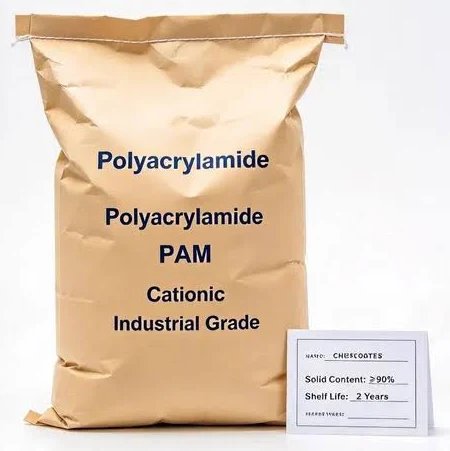

Description
Polyacrylamide: High-Performance Polymer for Water Treatment, Industrial Processing, and Wastewater Management
Product Overview of Polyacrylamide
Polyacrylamide (PAM) is a versatile, water-soluble synthetic polymer widely used in water treatment, wastewater management, mining, mineral processing, paper manufacturing, agriculture, and various industrial applications. Known for its excellent flocculation, thickening, and solid-liquid separation properties, polyacrylamide helps improve the efficiency of processes that involve suspended particles, sludge, and liquid mixtures.
Polyacrylamide is particularly valuable in water treatment facilities because it helps small suspended particles combine into larger aggregates called flocs. These larger particles can be separated more easily through sedimentation, flotation, or filtration. This makes polyacrylamide an important chemical for industries seeking effective wastewater treatment, improved water clarification, and better sludge management.
Available in different grades and formulations, polyacrylamide can be selected according to the requirements of a particular industrial process. Common product categories include anionic polyacrylamide, cationic polyacrylamide, and nonionic polyacrylamide. Each type has distinct characteristics and is suitable for different treatment conditions.
For businesses searching for reliable polyacrylamide for industrial or wastewater applications, understanding the product’s properties, uses, and selection criteria is essential for achieving consistent treatment performance.
What Is Polyacrylamide?
Polyacrylamide is a polymer produced from acrylamide monomers. Its molecular structure consists of long chains that can interact with suspended particles and other substances in water. Depending on its formulation, polyacrylamide may carry anionic, cationic, or relatively neutral characteristics.
Its long molecular chains can help bridge small particles together, encouraging them to form larger flocs. This process is known as polymer bridging and is one of the reasons polyacrylamide is widely used as a flocculant in water treatment.
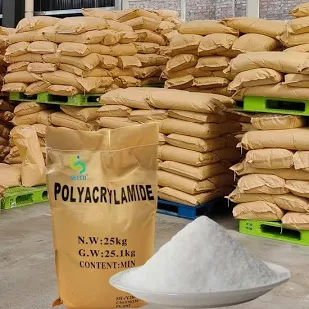
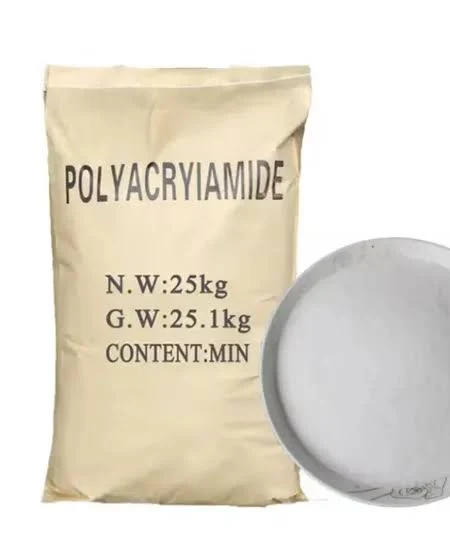
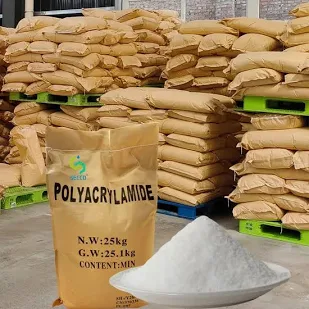
Polyacrylamide is commonly supplied as a dry powder, granular material, or liquid formulation. Product characteristics such as molecular weight, charge density, viscosity, and residual acrylamide content vary by grade and manufacturer.
Types of Polyacrylamide
Selecting the correct type of polyacrylamide is important because different formulations are designed for different water conditions and industrial requirements.
1. Anionic Polyacrylamide
Anionic polyacrylamide contains negatively charged functional groups. It is commonly used in applications involving mineral suspensions, mining wastewater, industrial clarification, and certain sludge treatment processes. It can help suspended particles combine into larger aggregates, supporting settling and separation.
2. Cationic Polyacrylamide
Cationic polyacrylamide carries positively charge functional groups. It is frequently used in sludge conditioning, municipal wastewater treatment, and industrial processes involving negatively charged organic particles. Its properties make it useful for improving sludge aggregation and supporting mechanical dewatering.
3. Nonionic Polyacrylamide
Nonionic polyacrylamide has little or no significant ionic charge compared with anionic and cationic grades. It may be suitable for specific wastewater and mineral processing applications where neutral polymer characteristics are preferred.
The best product depends on water chemistry, particle characteristics, pH, equipment, and the intended treatment objective.
Key Features and Characteristics of Polyacrylamide
Polyacrylamide offers several useful characteristics that make it an important industrial polymer.
Excellent Flocculation Properties: Polyacrylamide promotes the aggregation of fine suspended particles into larger flocs, making them easier to remove from water.
High Molecular Weight Options: Many commercial grades are available with different molecular weights to meet specific processing requirements.
Water-Soluble Formulations: Polyacrylamide products are design to dissolve or disperse in water under appropriate preparation conditions.
Improved Solid-Liquid Separation: The polymer can support sedimentation, clarification, filtration, and other separation processes.
Versatile Formulations: Anionic, cationic, and nonionic grades provide options for different industrial applications.
Sludge Conditioning Performance: Select grades help improve sludge structure and support mechanical dewatering operations.
Common Industrial Applications of Polyacrylamide
1. Municipal Water and Wastewater Treatment
Polyacrylamide is widely use in wastewater treatment plants to improve the separation of suspend solids. It can support clarification, sludge conditioning, and other treatment processes design to improve treated water quality.
2. Industrial Wastewater Treatment
Factories and manufacturing facilities often produce wastewater containing suspend particles, organic materials, and process residues. Suitable polyacrylamide formulations help improve solid-liquid separation and support wastewater management systems.
3. Mining and Mineral Processing
Mining operations use polyacrylamide in selected thickening, clarification, and tailings management applications. It can help mineral particles aggregate and settle, supporting process-water recovery and solid-liquid separation.
4. Paper and Pulp Manufacturing
In the paper industry, polyacrylamide is use in selected formulations for retention, drainage, and wastewater treatment. Its performance depends on the specific manufacturing process and polymer grade.
5. Sludge Dewatering
Cationic polyacrylamide is commonly used as a sludge conditioning polymer. It helps form larger aggregates that can improve the performance of mechanical dewatering equipment, such as belt filter presses and centrifuges.
6. Agriculture and Soil Management
Certain polyacrylamide formulations are use in agricultural and land-management applications to help reduce soil erosion and improve water movement in suitable soils. Products intended for agricultural use should be specifically approve and selected for that purpose.
7. Oil and Gas Industry
Specialize polyacrylamide formulations are used in certain oilfield operations, including selected drilling-fluid and enhance oil recovery applications. These uses require products design for the relevant operating conditions.
Benefits of Using Polyacrylamide
Using the correct polyacrylamide formulation can provide several benefits for industrial operations:
- Improved water clarification: Helps remove suspend particles and improve water clarity.
- Efficient floc formation: Encourages fine particles to combine into larger aggregates.
- Better sludge management: Selected grades support sludge conditioning and mechanical dewatering.
- Enhanced separation processes: Can improve sedimentation, filtration, and thickening operations.
- Wide industrial versatility: Available in different formulations for wastewater treatment, mining, paper manufacturing, and other industries.
- Potential operational optimization: Proper product selection can help improve treatment consistency and reduce difficulties associated with poor solids separation.
Actual performance varies depending on the polymer grade, wastewater composition, equipment, and operating conditions.
How to Choose the Right Polyacrylamide
Choosing the correct polyacrylamide is essential for achieving reliable results. Buyers and treatment operators should consider the following factors:
Polymer Type: Determine whether anionic, cationic, or nonionic polyacrylamide is appropriate for the intended application.
Molecular Weight and Charge Density: These properties influence polymer behavior, particle interaction, and floc formation.
Water Chemistry: Evaluate pH, temperature, suspend solids, dissolved substances, and other characteristics that may affect polymer performance.
Application Requirements: A product design for mining wastewater may not be suitable for municipal sludge dewatering or paper manufacturing.
Product Quality: Review technical specifications, safety documentation, residual acrylamide information, and manufacturer recommendations before purchasing.
Laboratory testing and consultation with qualify water treatment professionals can help identify a suitable grade for a specific process.
Storage, Handling, and Safety Precautions
Polyacrylamide should be store and handle according to the manufacturer’s Safety Data Sheet (SDS) and technical instructions. Keep the product in its original, properly label packaging and protect it from moisture and contamination.
Wear appropriate personal protective equipment, including gloves and safety glasses, when handling the product. Avoid inhaling dust from powdered formulations and prevent direct contact with the eyes and skin. Spill powder can become extremely slippery when wet, so spills should be manage promptly using suitable workplace procedures.
An important consideration is residual acrylamide monomer. Acrylamide is a hazardous substance, so buyers should review product specifications and select appropriate grades with documented residual monomer limits. Products intend for drinking-water, food-related, or agricultural applications must meet the applicable standards and regulatory requirements for those uses.
Why Choose Quality Polyacrylamide for Your Business?
Product consistency is important for companies that rely on effective wastewater treatment and industrial processing. Choosing quality polyacrylamide from a dependable chemical supplier helps businesses obtain products with documented specifications and appropriate technical information.
Before purchasing, identify the intended application, required polymer type, packaging preference, and relevant quality standards. A knowledgeable supplier can help determine which polyacrylamide grade is appropriate for a particular treatment system.
Conclusion
Polyacrylamide is a versatile industrial polymer use in water treatment, wastewater management, mining, mineral processing, paper manufacturing, sludge dewatering, and selected agricultural applications. Its ability to promote floc formation and improve solid-liquid separation makes it an important material in modern industrial operations.
Whether your business requires anionic polyacrylamide, cationic polyacrylamide, or nonionic polyacrylamide, selecting the correct formulation is essential for achieving reliable performance. By considering product specifications, water chemistry, application requirements, and proper handling procedures, businesses can make informed purchasing decisions and support more efficient treatment processes.
For companies searching for polyacrylamide for sale, PAM polymer, water treatment chemicals, or industrial flocculants, choosing a suitable product from a reliable supplier is an important step toward effective water treatment and responsible industrial management.